
 English
  Slovenščina
The open call for participation was published on 7 November 2025 in Slovenian and English, and applications were accepted until 15 February 2026.
A total of 194 artists from 57 different countries applied to the open call: Albania, Argentina, Armenia, Australia, Austria, Bangladesh, Belgium, Belarus, Bulgaria, Bosnia and Herzegovina, Brazil, Czech Republic, Montenegro, Cyprus, Ecuador, Finland, Philippines, France, Ghana, Greece, Georgia, Hong Kong, Croatia, India, Iraq, Iran, Ireland, Iceland, Italy, Israel, South Africa, Canada, Kazakhstan, Kyrgyzstan, China, Lebanon, Lithuania, Hungary, Morocco, Mexico, Moldova, Germany, Nigeria, Poland, Portugal, Romania, Russia, North Macedonia, Slovakia, Slovenia, Serbia, Scotland, Spain, Sweden, Tanzania, Turkey, Ukraine, United Kingdom, USA.
The members of the gallery’s expert council faced a demanding task, selecting 10 artists from among the many applicants who will participate in this year’s camp. As in the previous year, all selected artists are coming to Trebnje for the first time.
The selected participants are:
- Yun Amantur (Kyrgyzstan)
- Zdenka Bukovec (Slovenia)
- Wiktor Gorazdowski (Poland)
- Konrad Dąbrowski (Poland)
- Georgi Georgiev (Bulgaria)
- Elham Hemmat (Iran / United Kingdom)
- Dejan Hribar (Slovenia)
- Taras Romaniuk – Taras Keb (Ukraine)
- Alejandra Santos (Mexico / Germany)
- Katarina Šaptović (Serbia)
Camp opening:
Tuesday, 9 June 2026, at 9:00 AM
Gallery of Naïve Artists Trebnje, Goliev trg 1
Camp closing:
Saturday, 13 June 2026, around 12:00 PM
STIK Hall, Trebnje
The closing ceremony will include the presentation of awards and the announcement of the winner of the 59th International Meeting of Naïve Artists Trebnje.
🖌️ The creative process will be open to visitors at the Gallery of Naïve Artists Trebnje from Tuesday, 9 June, to Friday, 12 June 2026, from 9:00 AM to 1:00 PM and from 3:00 PM to 6:00 PM.
You are warmly invited to visit the gallery, meet the artists in person, and witness the creation of new artworks.
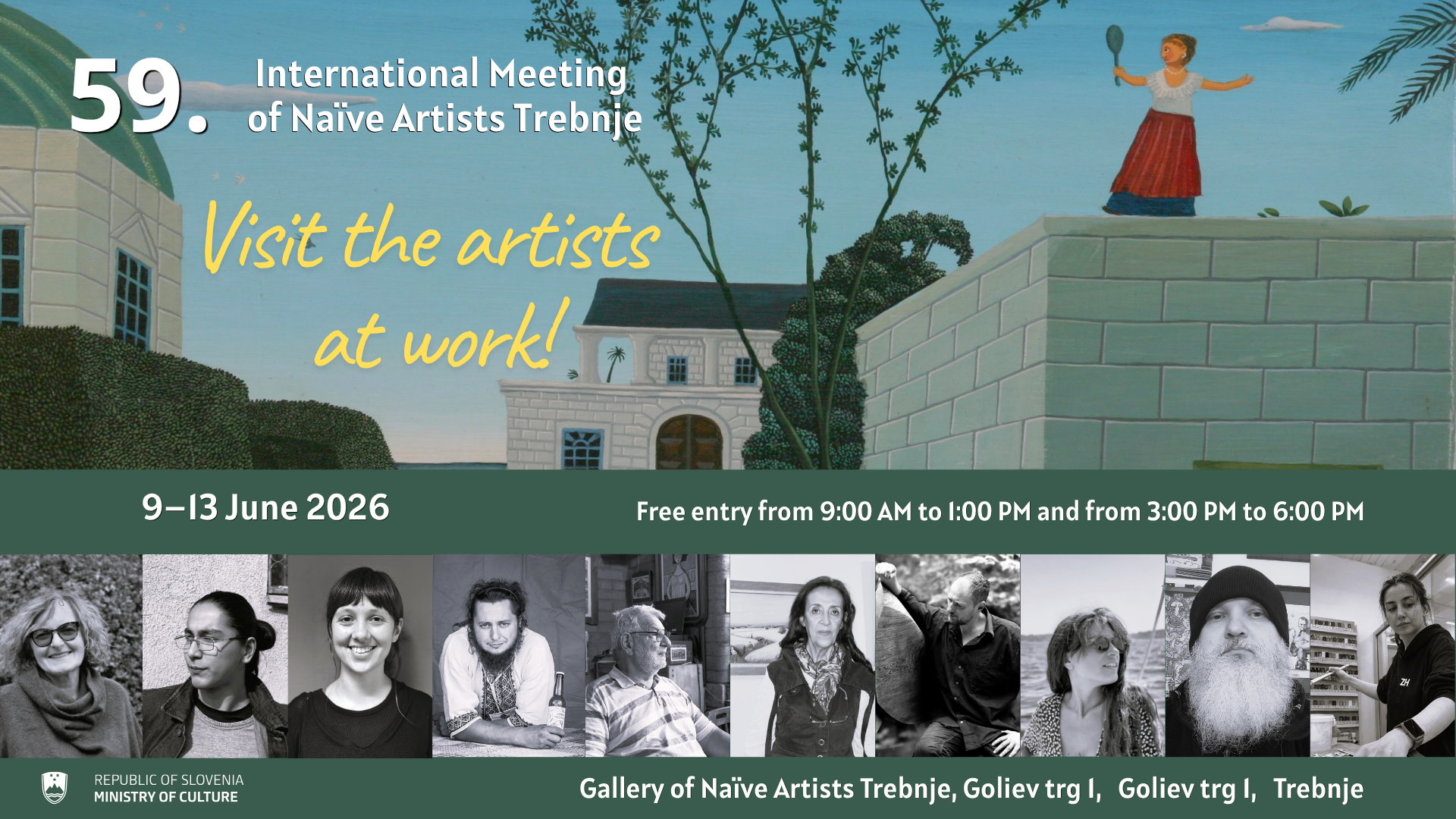
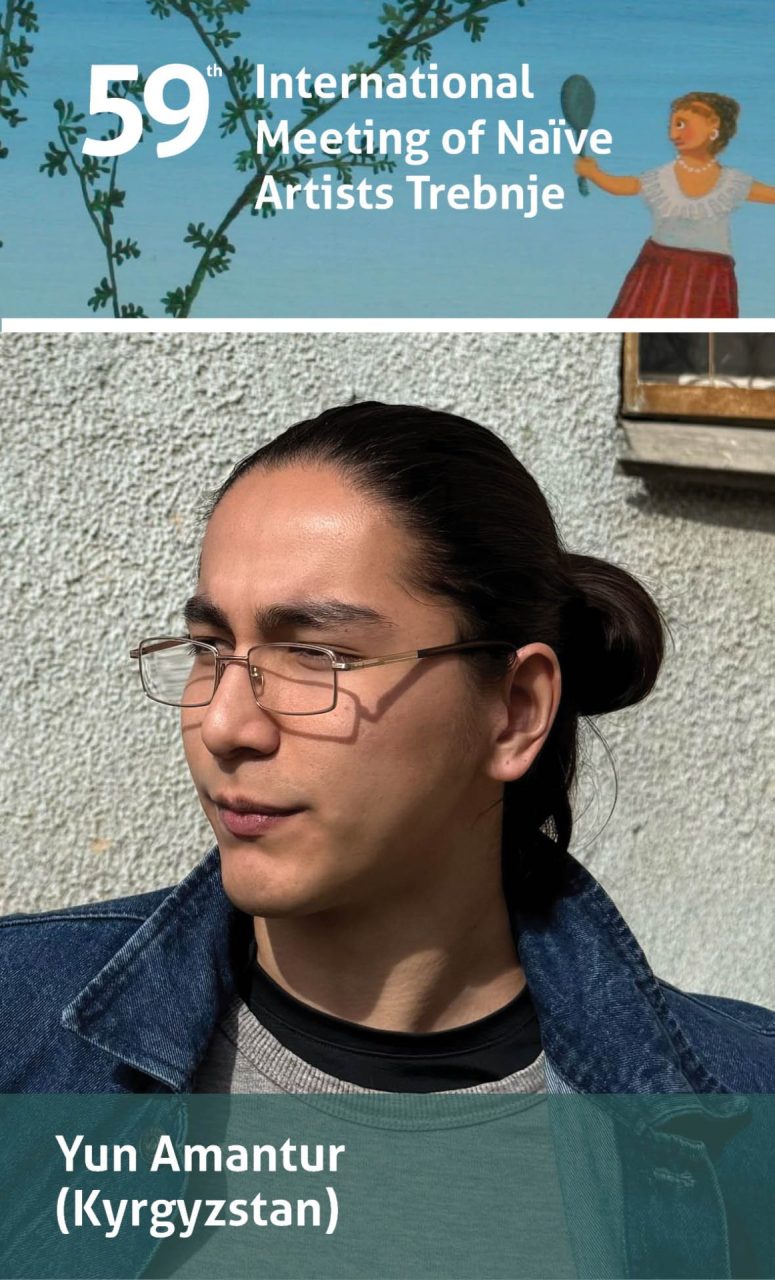 Yun Amantur (Kyrgyzstan) is this year’s youngest participant. He has been painting since childhood and has always been drawn to large formats and meticulous work. He has no formal academic training; his visual language developed intuitively through experience and observation. After graduating from art school and moving to Saint Petersburg, he experienced feelings of isolation and loneliness in the big city. These experiences became a source of strength and inspiration. His art emerges from emotion and intuition.
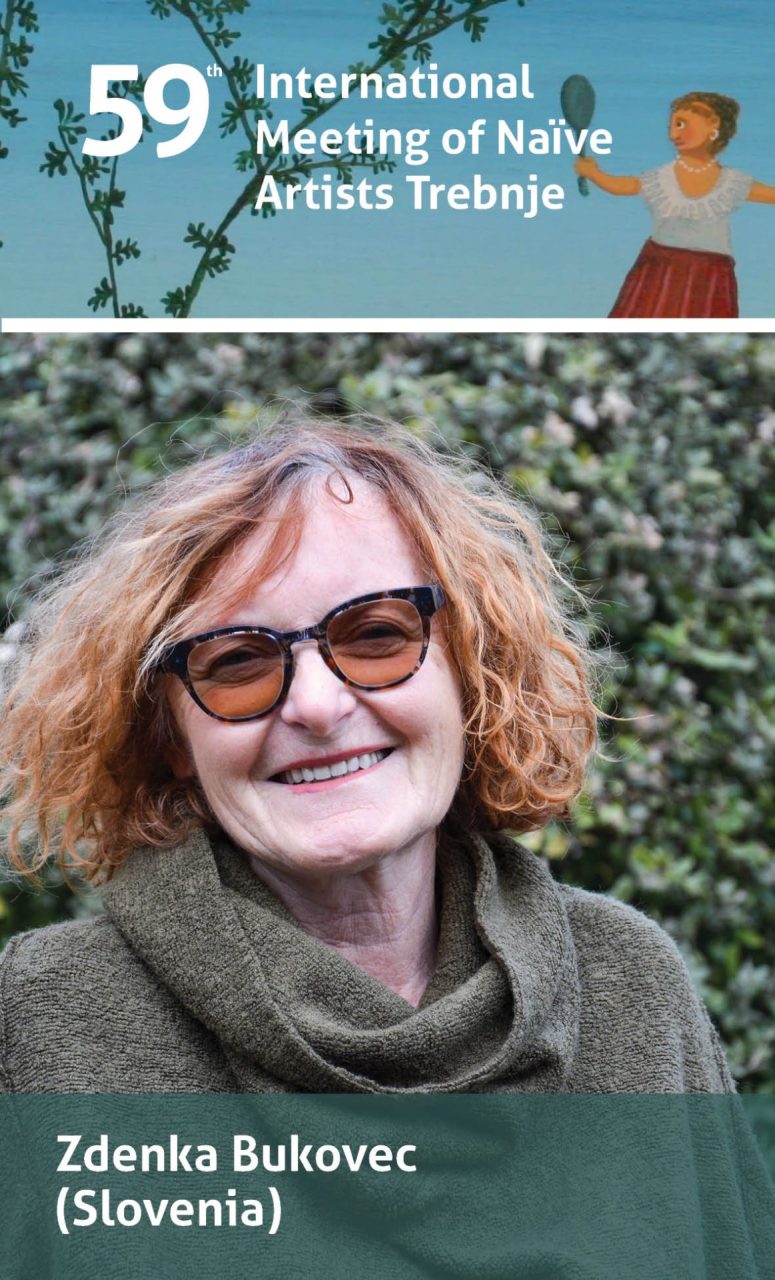 Zdenka Bukovec (Slovenia) is a local artist who has followed the art camp since its beginnings and also participated in the organizing committee. After retirement, she devoted herself entirely to visual art and cooperation with the Društvo likovnikov Trebnje. She is especially attracted to still lifes and thematic cycles, which she develops until she fully expresses everything through images. She is currently inspired by the motif of the rooster and imaginary winged creatures. She works mainly in acrylic on canvas, while restoring old stone walls is her hobby.
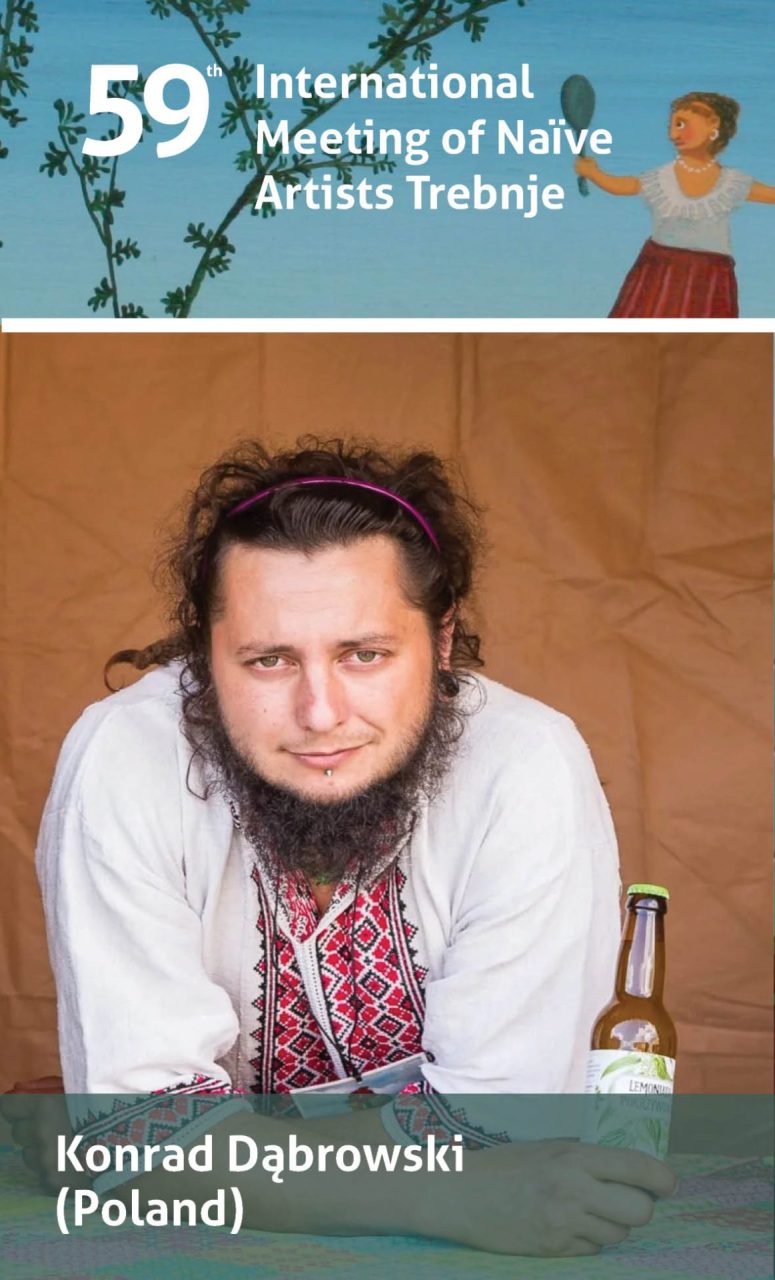 Konrad Dąbrowski (Poland) draws inspiration from growing up in the countryside, surrounded by animals, the rhythm of the seasons, and folk art. Today, he lives in the village of Cichostów Kolonia near Lublin, where he runs a small farm, produces natural beverages, and is active in the local community. His paintings are emotional records of childhood memories and personal interpretations of religious scenes, rural life, and nature. He creates intuitively, without sketches, and in addition to painting, he also makes paper cuttings. His works can be found in private collections and museums in Poland and abroad.
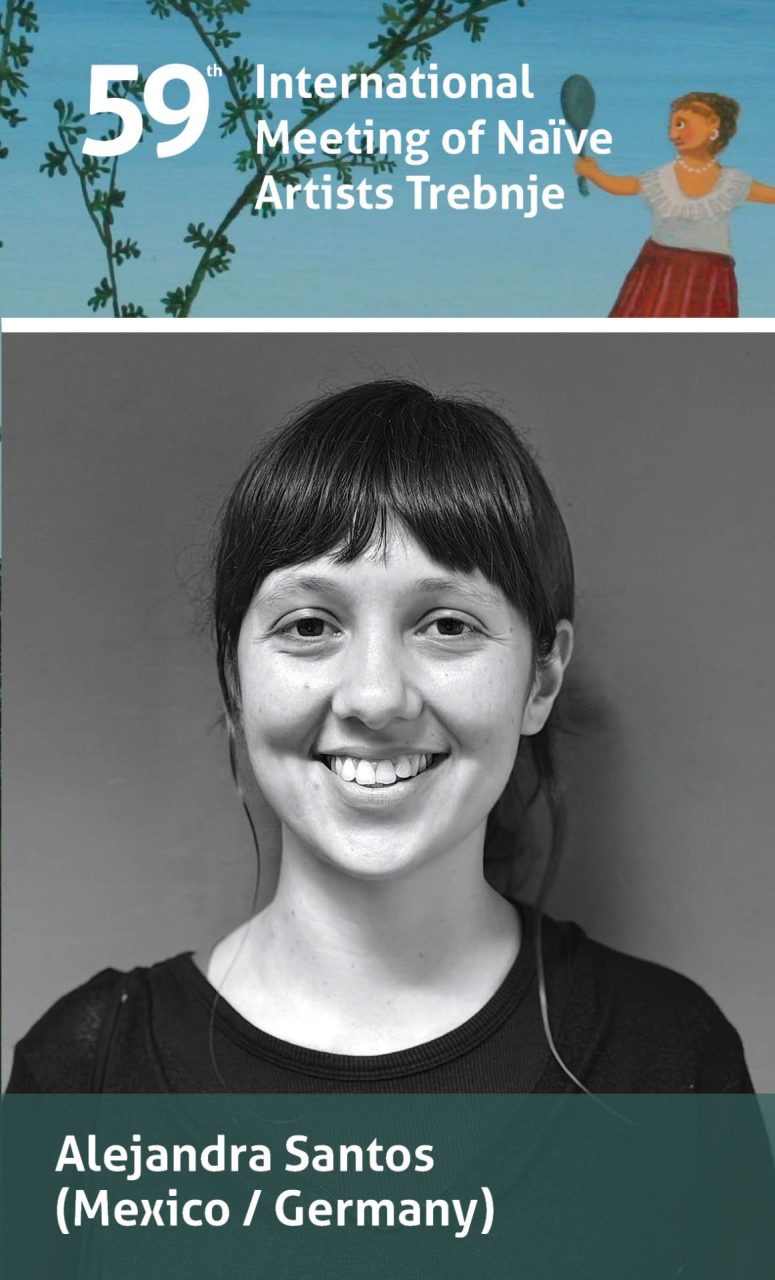 Alejandra Santos – Ale Santos (Mexico / Germany) is a Mexican collage artist based in Berlin. She uses experimental media such as gold leaf, mirrors, various textures, and drawing. She has participated in international projects and exhibited in galleries, museums, and festivals in Mexico and Germany. Her visual works are inspired by Mexican Baroque, Latin American maximalism, and the diverse landscapes of Mexico.
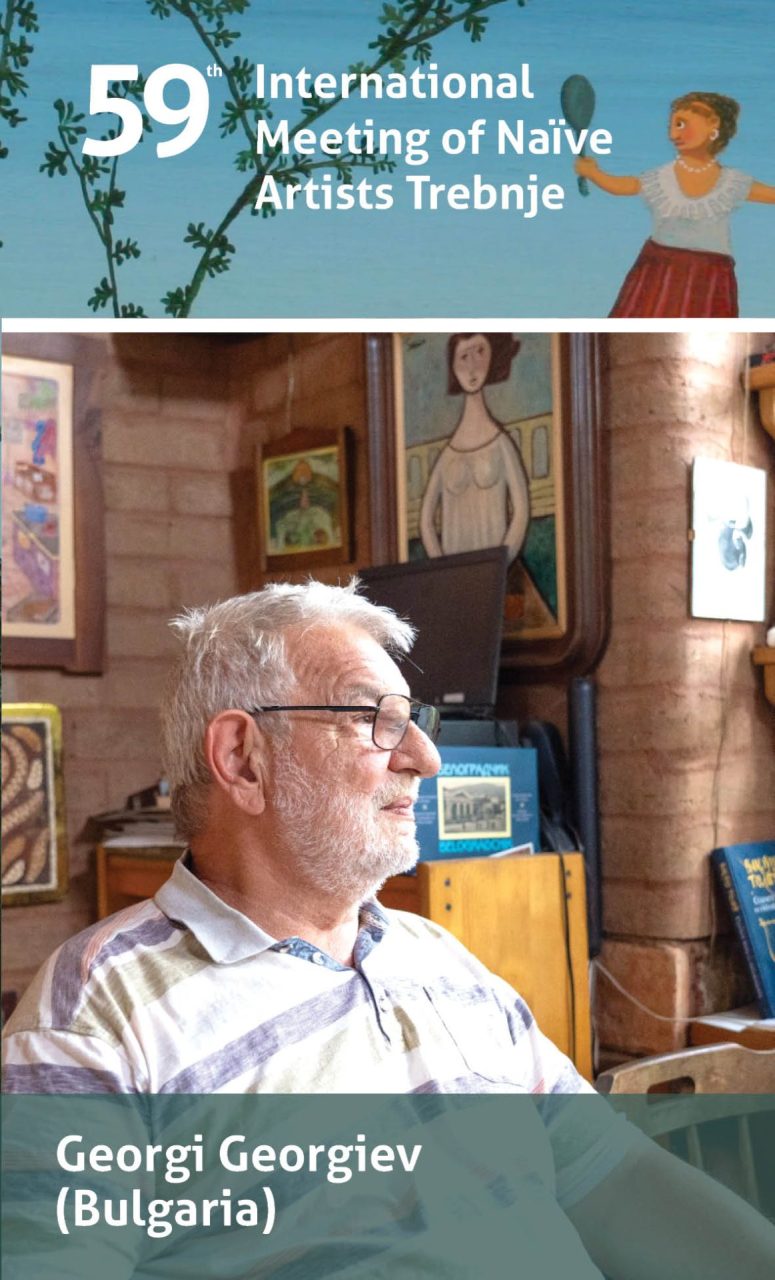 Georgi Georgiev (Bulgaria) is an independent architect with many years of experience, including twenty years in ecological construction using natural materials. He has participated in numerous important projects and authored many professional articles on ecological architecture. He works in the encaustic technique on wood (an ancient wax-painting method). He prepares his own colors from natural pigments, while the wax comes from his own beehives. His works are created exclusively from natural materials and radiate harmony and sustainability.
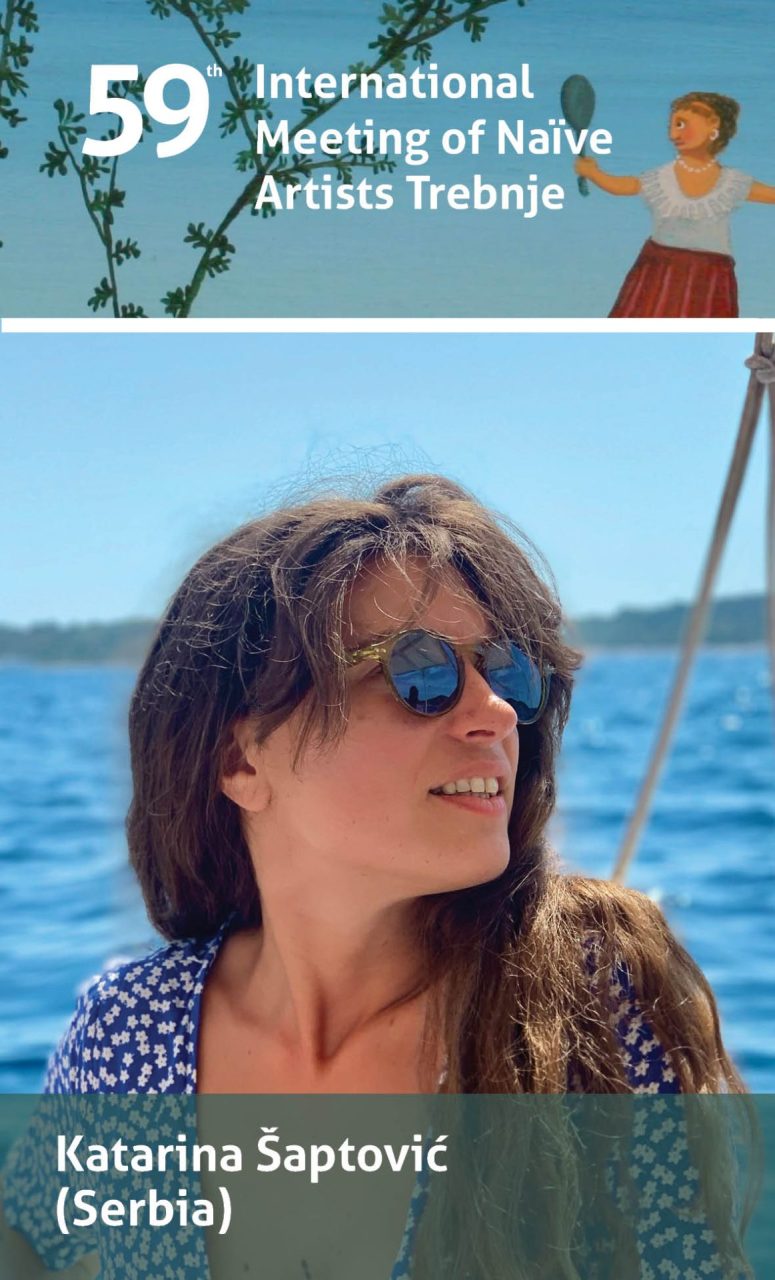 Katarina Šaptović (Serbia) is a self-taught artist. She uses hand embroidery as her primary artistic medium. She works under her own brand KezVez, through which she explores the contemporary use of hand embroidery on textiles and other surfaces. Her style is rooted in the aesthetics of art brut, combining traditional and urban elements. She expresses herself through floral and animal motifs, almost always adding an element that intentionally stands out from the whole — a playful, humorous detail that creates surprise. She has presented her work at numerous exhibitions.
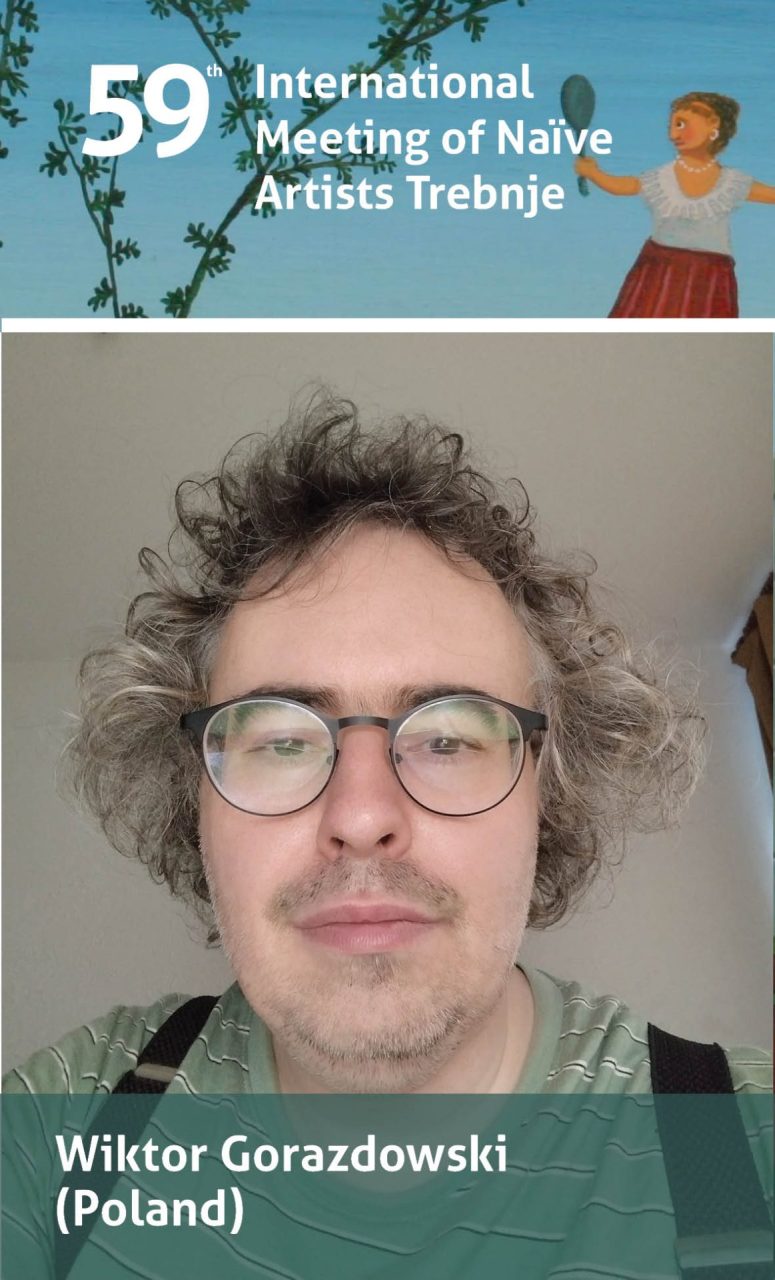 Wiktor Gorazdowski (Poland) took up drawing and painting at the age of thirty, following a major turning point in his life and through the intercession of a saint who was also his relative. His artistic journey was marked by many challenges, but today he runs his own business and creates illustrations. His works have received multiple awards and are included in private and institutional collections in Poland and abroad. In his art, he explores sacred, technological, social, and existential themes, interwoven with rich religious symbolism.
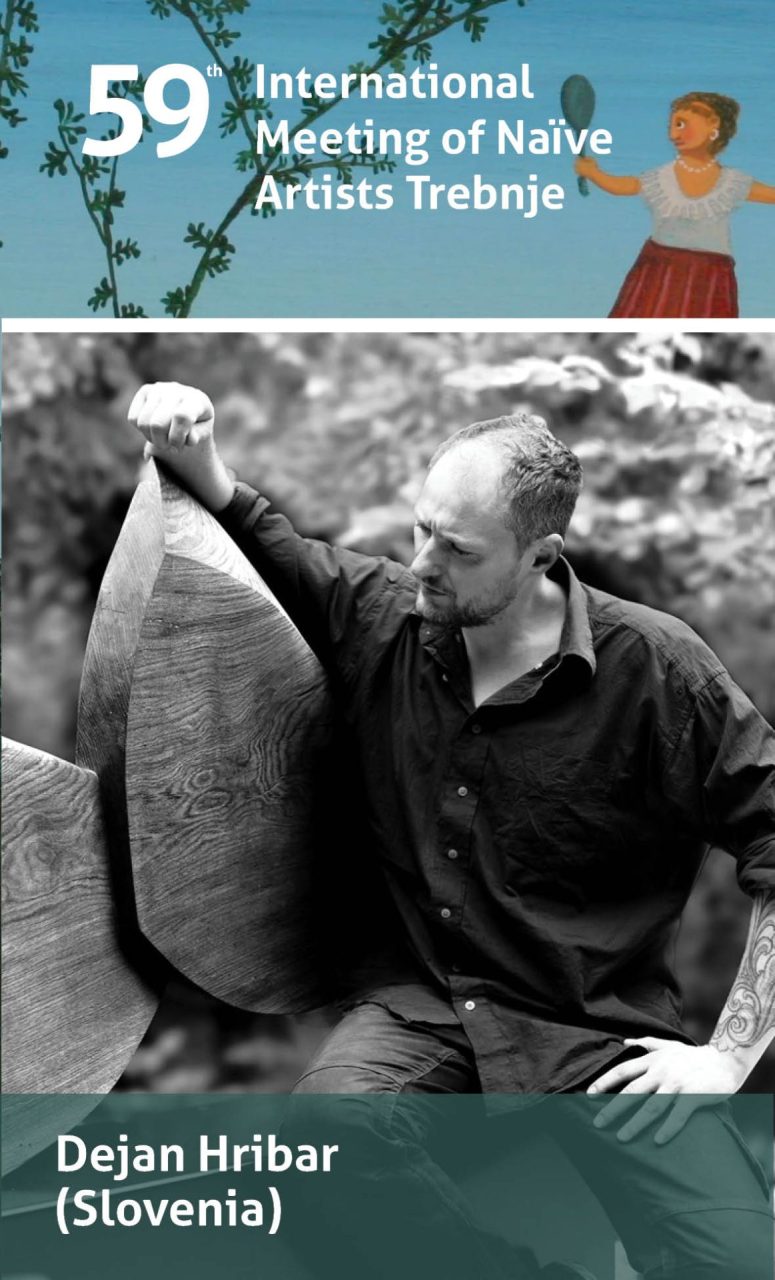 Dejan Hribar (Slovenia) is a self-taught local artist and trained goldsmith. Under his own brand DEVUR, he creates unique jewelry and functional objects, combining wood and precious metals. In recent years, he has focused on monumental wooden sculptures. His work is closely connected to Slovenian nature, especially forests, which serve as a source of inspiration and reflection on social and environmental issues. He primarily uses oak and walnut wood. His style is characterized by contemporary minimalism, while in dialogue with naïve art he also explores spontaneity, playfulness, and the power of simplicity.
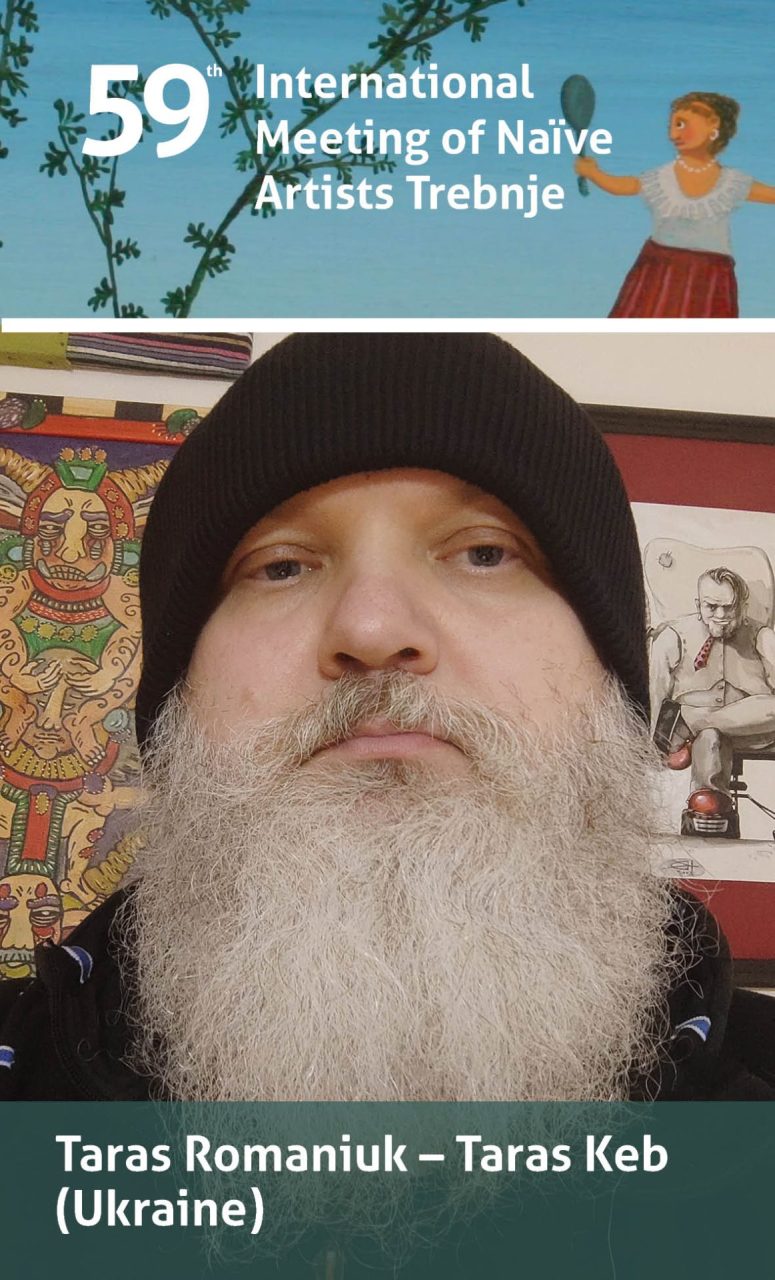 Taras Romaniuk – Taras Keb (Ukraine) works in painting, graphics, and decorative and applied arts. He is particularly drawn to primitivism, art brut, and naïve art. In his works, he explores myths, the inner world of the self-taught artist, the creative process, and the relationship between the artist and society. He is also dedicated to researching Ukrainian and international primitive and naïve art.
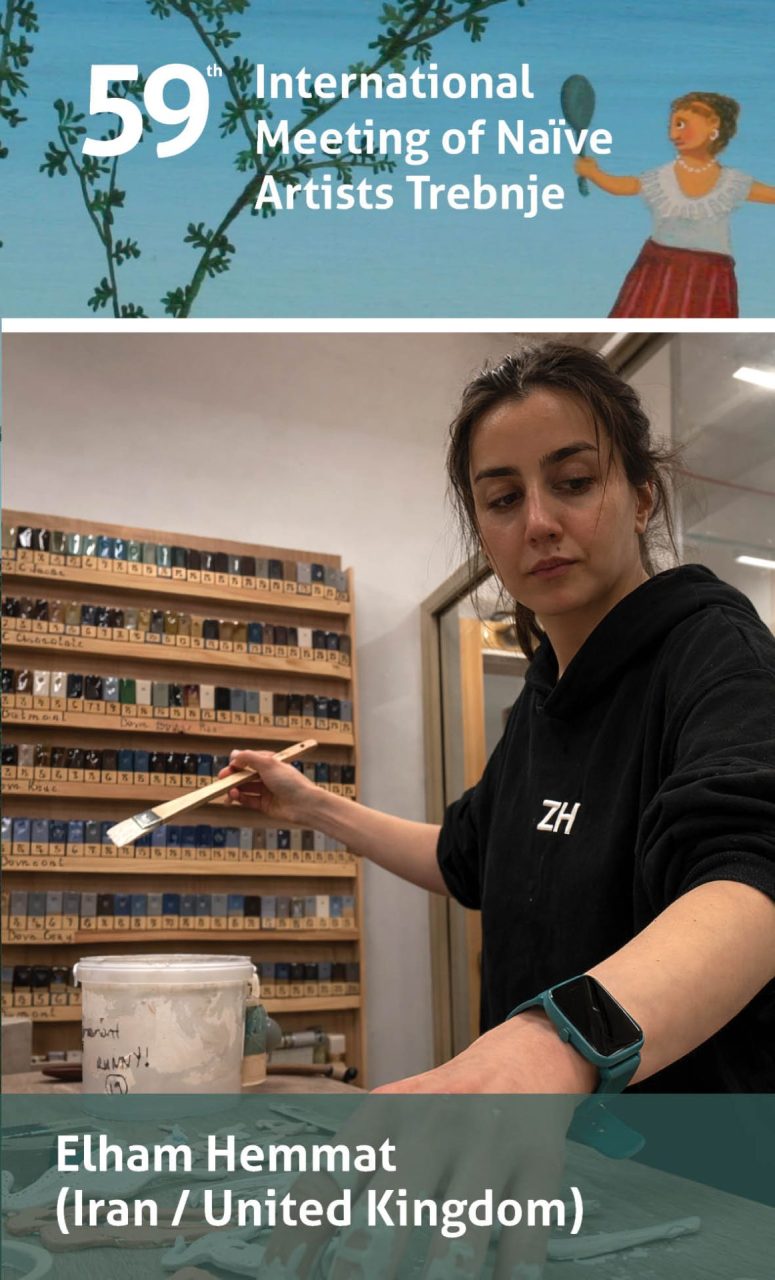 Elham Hemmat (Iran / United Kingdom) is an interdisciplinary artist. In her work, she explores the human body as a collection of memories, identity, and emotions. Her ceramic human figures carry the living memory of place, time, and collective experiences. She creates works that transcend boundaries and invite reflection on the shared, imperfect beauty of human existence. Her works have been presented at numerous exhibitions around the world.


